
Department of Gastroenterology & Hepatology
Colorectal Cancer: Warning Signs You Should Not Ignore
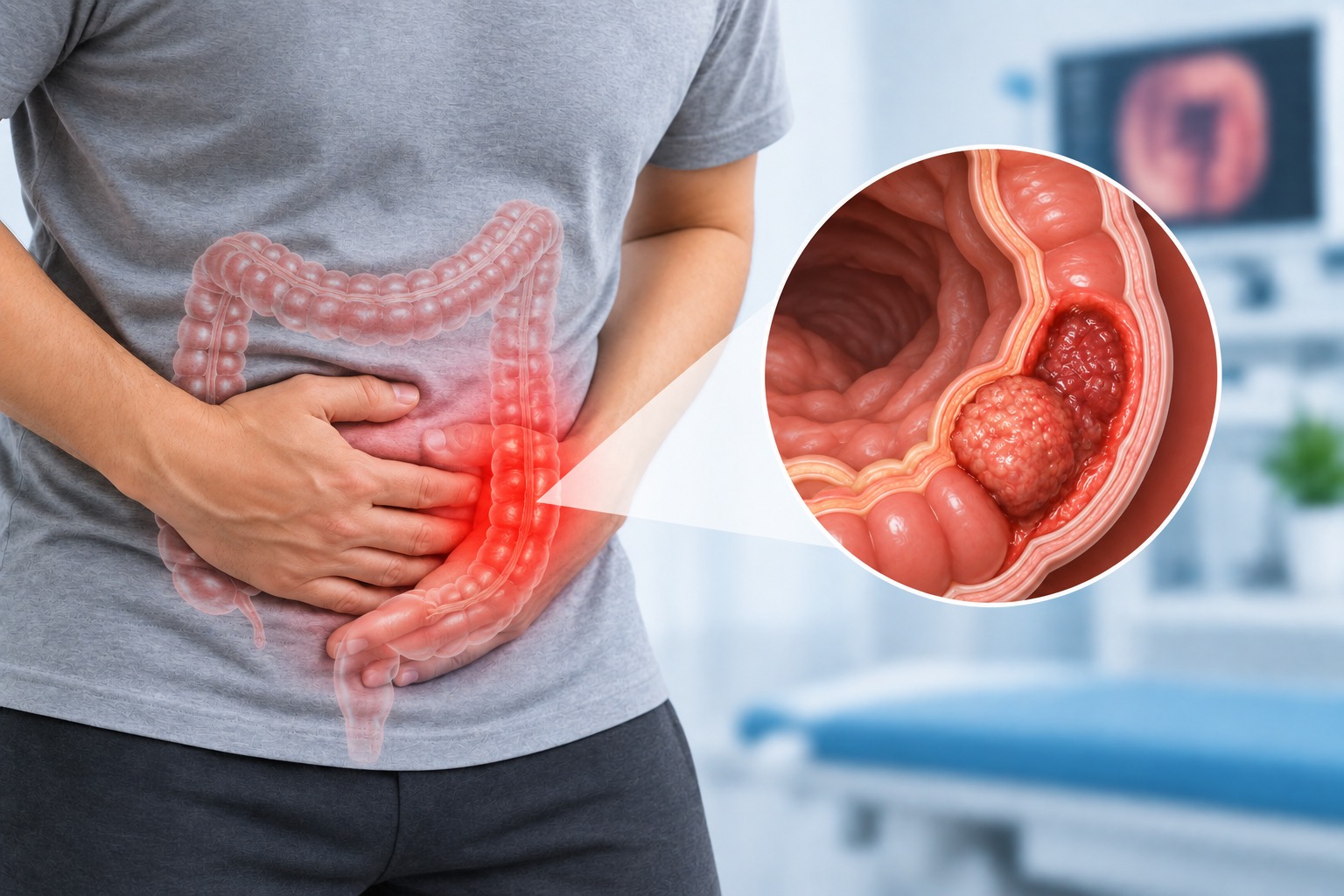
Colorectal cancer affects the colon or rectum and may develop gradually. In the early stages, symptoms can sometimes be mild or absent, making awareness and timely evaluation important.
Recognising warning signs early and consulting experienced gastroenterologists ensures timely diagnosis through modern endoscopy and provides the best opportunities for curative treatment.
Some symptoms that should not be ignored include:
- Blood in the stool: Bright red or dark/tarry stool.
- Persistent change in bowel habits: Alternating or lasting changes in regularity or consistency.
- Recurrent constipation or diarrhoea: Lasting more than a few days without clear reason.
- Abdominal discomfort: Cramps, gas, fullness, or persistent pain.
- Unexplained weight loss: Dropping weight without changes in diet or physical exercise.
- Weakness or tiredness: Unexplained fatigue often linked with occult blood loss and anaemia.
- Feeling that the bowel has not completely emptied: Persistent sensation of incomplete evacuation (tenesmus).
These symptoms can also occur due to non-cancerous conditions, but persistent or unexplained symptoms should always be evaluated by a doctor.
Blood in stool can occur because of piles (haemorrhoids) or anal fissures, but it can also be associated with diseases of the colon and rectum, including colorectal cancer.
Therefore, repeated blood in stool should not simply be ignored or assumed to be piles without proper medical evaluation and colonoscopy.
Depending on the symptoms, doctors may recommend:
- Physical examination: Thorough clinical evaluation and digital rectal examination (DRE).
- Blood tests: Complete blood count (CBC) to check for anaemia and tumour markers like CEA.
- Imaging investigations: Abdominal ultrasound, high-resolution contrast CT scan, or pelvic MRI to examine extent.
- Colonoscopy: Direct visualisation of the entire colon and rectum using high-definition video endoscopes.
- Biopsy, when required: Sampling tissue during colonoscopy for histological confirmation by pathology experts.
These investigations help accurately identify the condition, evaluate tumour stage, and determine the appropriate treatment plan.
Treatment depends on the location and stage of the cancer, as well as the patient's overall health status.
Modern treatment modalities may include:
- Surgical removal of the affected part of the intestine: Colectomy, hemicolectomy, anterior resection, or abdominoperineal resection (performed through open or advanced laparoscopic techniques).
- Chemotherapy: Systemic medication to destroy cancer cells, administered before surgery (neoadjuvant) or after surgery (adjuvant).
- Radiotherapy: Targeted radiation therapy, particularly crucial in rectal cancers to shrink tumours and prevent local recurrence.
- Other supportive treatments: Nutritional therapy, pain management, and dedicated post-operative recovery support.
The treatment plan is carefully decided according to the individual patient's condition and overall health.
You should seek prompt medical evaluation if you experience:
- Blood in the stool (bright red, mixed in stool, or black)
- Persistent change in bowel habits lasting several weeks
- Unexplained weight loss or loss of appetite
- Ongoing abdominal discomfort, cramping, or bloating
- Persistent digestive symptoms or chronic weakness/fatigue
Early consultation avoids delays in diagnosis and provides access to minimally invasive treatment options with significantly higher cure rates.
Early evaluation of persistent bowel symptoms can help identify colorectal conditions at an appropriate stage. Awareness and timely medical consultation are important for better outcomes.
For specialised colorectal and GI cancer surgical care, consult the Department of Gastroenterology & Hepatology at Gangasheel Hospital, Bareilly.
Gangasheel Hospital provides high-definition colonoscopy, experienced gastrointestinal surgeons led by Senior Gastroenterologist Dr. Saurabh Kaushik, modular surgical operating suites, advanced pathology and imaging, on-site oncology and chemotherapy facilities, and 24x7 emergency surgical management in Bareilly.